
How Spanish translation supports social justice movements
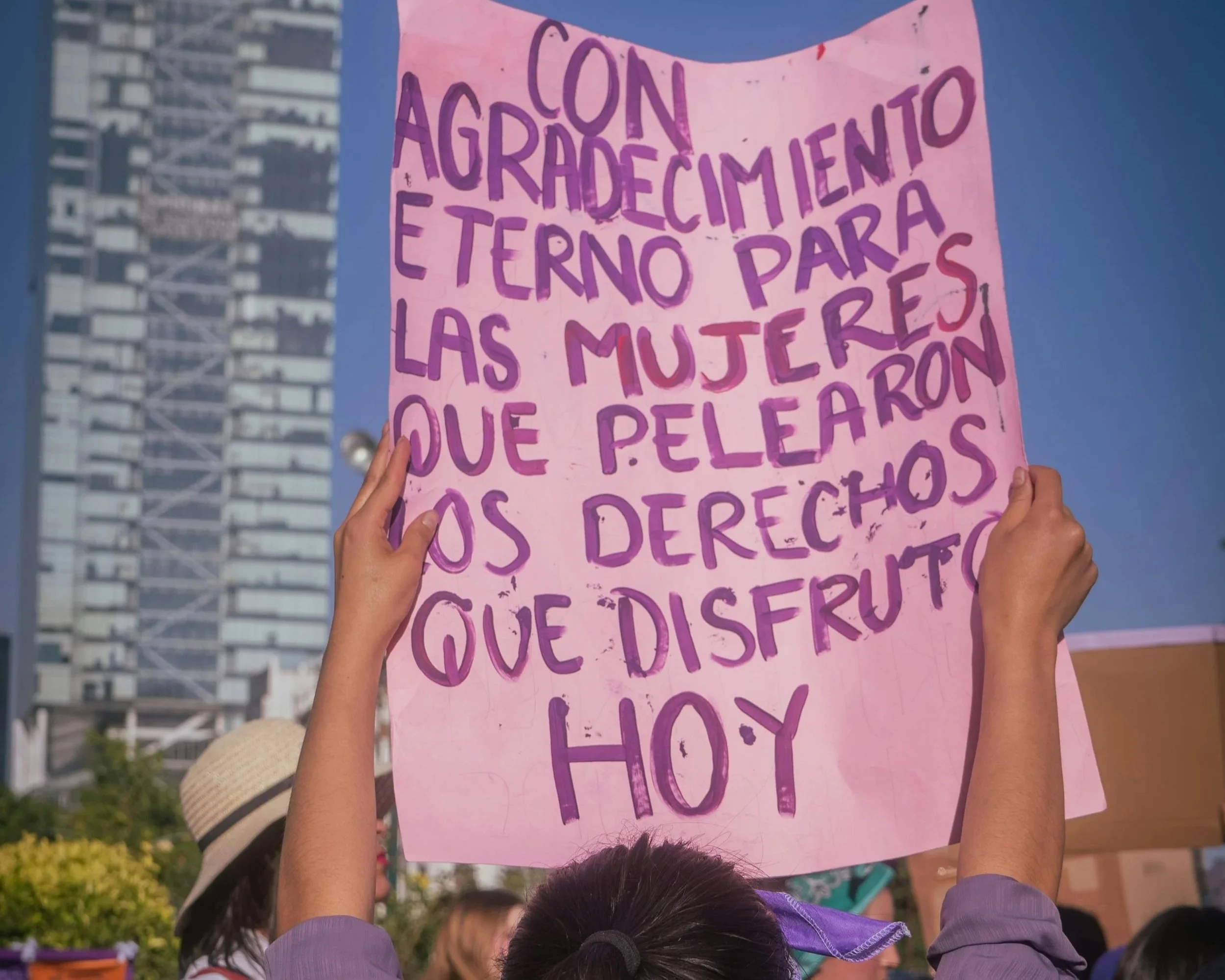
In 2025 alone, we’ve seen multiple attacks on democracy, human rights, and social justice movements in the Spanish-speaking world. in the United States, Immigration and Customs Enforcement (ICE) is currently actively arresting people with no criminal records. Meanwhile, Maria Corina Machado, an advocate for democracy and fair elections, accepted her Nobel Peace Prize while in hiding from the Venezuelan government. On a lesser scale, Barcelona residents have been protesting the explosion of holiday rentals like AirBnB, which they say have destroyed the housing market and ballooned tourism to an unsustainable level for locals.
But what is crucial in all of these events is the fact that information needs to be conveyed quickly and effectively. Spanish translation has played a key role in empowering communities and amplifying voices.
Language access is social justice
According to most recent census data, the United States has the second-largest Spanish speaking population in the world, beat only by Mexico in terms of sheer numbers. Making up over 13% of the population, it’s clear that Spanish has become more and more a part of regular life for many Americans.
While there’s a growing recognition of the necessity to access resources in different languages, such as election materials and customer support, very little of it is actually federally- or state-mandated. This is why, in the face of increasing ICE presence in major cities, organisations like Immigrant Defense Project have created printable resources for Spanish speakers to know their rights.
Resources such as these have allowed the Spanish-speaking population to become more aware of how to navigate their tumultuous environment, ensuring that they are able to confidently face agents who are oftentimes acting unlawfully or violating their human rights.
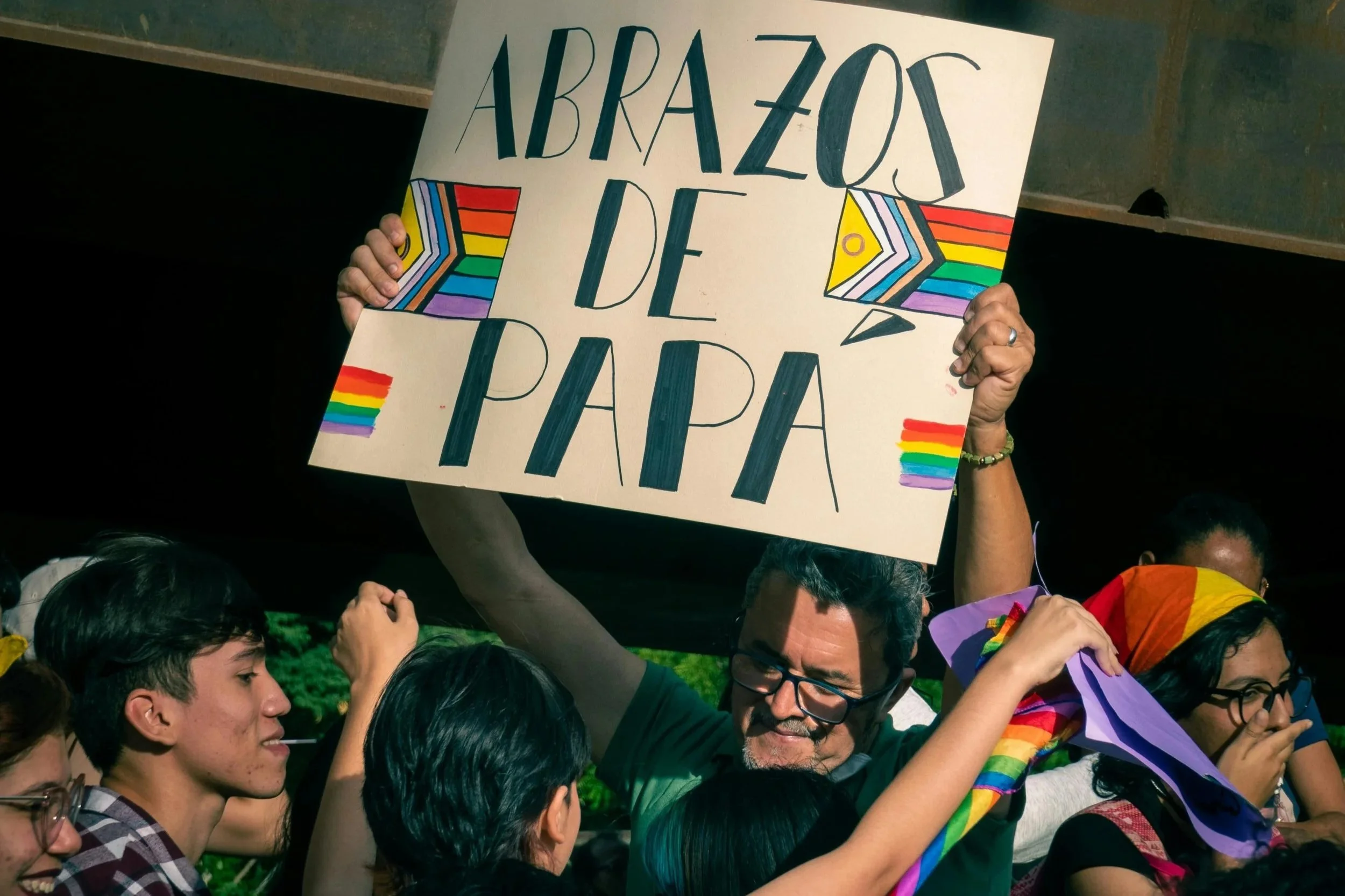
Best practices for Spanish translators
Translating for social justice movements is much more than working with native speakers of that language. Translation should always be done, where possible, by a professionally qualified translator specialised in this area. Translators are not only trained to identify places in which cultural nuance matters, but in matters as serious as legal or medical advice, it can make a huge difference to the person it’s designed to help.
Collaborate with communities
Social justice translation should always be done in co-creation with the communities they’re meant to serve, rather than just a “service.” When a translator understands the intention and messaging behind a text, everyone gets a better result.
Prioritize accessibility
Make sure translations are clear, easy to read, and easy to understand. Using plain language is crucial for memorability and comprehension during high-stress situations. If there is video material, make sure subtitles or captions are available for the deaf and hard of hearing or anyone watching on mute.
Use inclusive language
Being able to approach inclusive language knowledgeably is key. Translators in this space are serving the community, and their language should be reflective of that. The United Nations has provided guidelines on using inclusive language in Spanish.
Flag ethical considerations
Even with the best of intentions, there may be messaging that will not land well with a Spanish-speaking audience. Translators should feel comfortable raising these issues and providing alternative solutions or workarounds when this happens.
Language is the first step towards inclusion
Translation is just one small part of activism, but it’s the first step towards building community and a movement. It connects people, amplifies the cause, and sustains the momentum for change. Every word translated is another step forward.
Find out more about Spanish translations that make a difference.